 Share on LinkedIn
 Share on X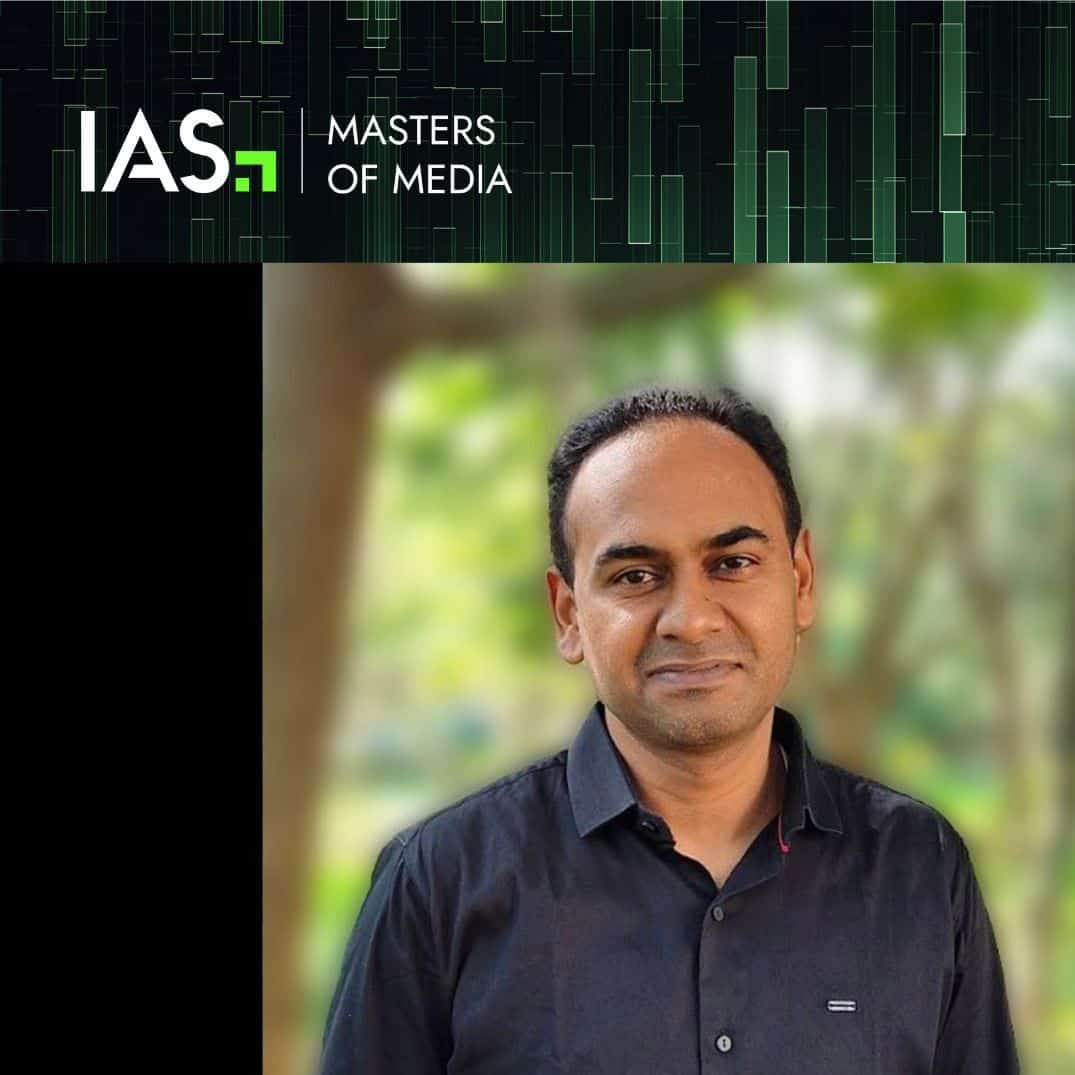
In this exclusive “Masters of Media” series, Integral Ad Science (IAS) speaks to the Movers and Shakers of the APAC advertising industry on all digital matters.
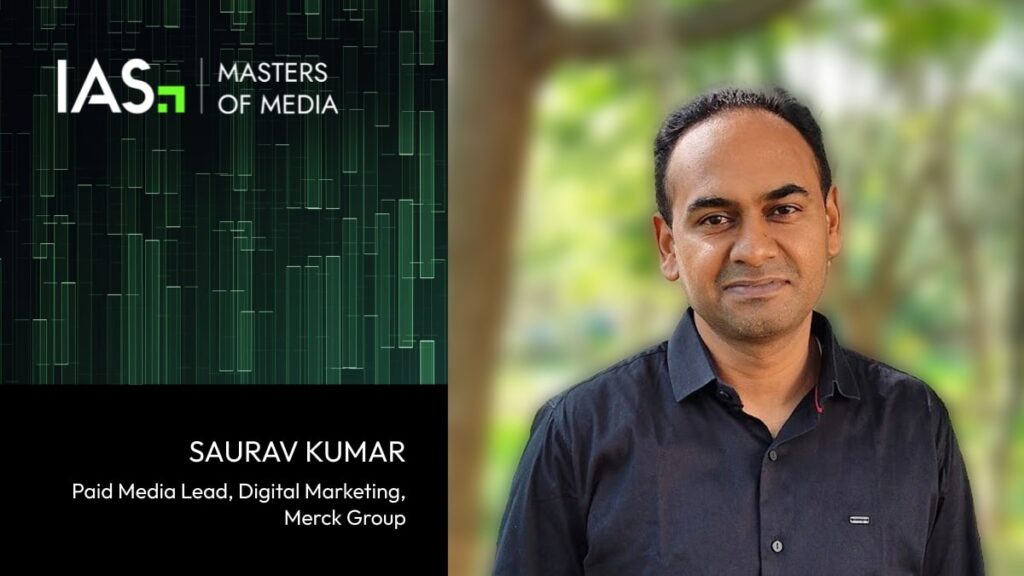
With over 13 years of experience in digital marketing, Saurav Kumar has developed deep expertise in paid media, programmatic advertising, and performance optimisation. Currently, Saurav serves as Paid Media Lead at Merck Group in Bengaluru, India, where he leads a team that manages campaigns worldwide through innovative strategies and ROI-focused execution.
Saurav’s career spans global agencies and ad-tech firms such as MediaMath, Neo Ogilvy, Omnicom Media Group, and Mindshare, where he successfully managed high-value accounts including IBM, eBay, Honda, Dell, and Uber. Across these roles, he has built a strong track record in media strategy, trading, optimisation, and client partnership, consistently delivering efficiency gains and revenue growth.
Saurav thrives at the intersection of data, technology, and marketing creativity. He is passionate about mentoring teams, fostering innovation, and leveraging AI-driven solutions to shape the future of digital marketing.
IAS: Can you discuss any recent changes or advancements in digital advertising technologies or platforms that have had a significant impact on your digital campaigns?
Saurav: AI and Machine Learning in Media Buying – Platforms like DV360, The Trade Desk, and Meta Ads have integrated advanced AI-driven bidding and optimisation tools. This has allowed us to move from manual optimisation to predictive, automated models that improve efficiency and scale results faster.
Privacy & Cookieless Future – With the deprecation of third-party cookies, contextual targeting, clean rooms, and first-party data strategies have become critical. We’ve started testing cookieless solutions to ensure measurement accuracy and audience reach in the future.
IAS: If there’s one myth related to programmatic you’d like to squash, what would that be?
Saurav: One common myth I’d like to squash is that programmatic advertising only drives lower costs or cheap inventory. Many still assume programmatic is a “race to the bottom” focused on efficiency alone.
In reality, programmatic today is about precision, transparency, and value. The right strategy enables access to premium inventory, advanced targeting, and deep insights that traditional buying methods cannot offer. It’s not just about lowering CPMs, it’s about reaching the right audience, in the right context, at the right moment, and driving measurable business outcomes.
At Merck and in my past roles, I’ve seen programmatic deliver brand lift, awareness, and incremental revenue, not just clicks or cheap impressions. The real power of programmatic lies in its ability to combine data, technology, and creativity to achieve both performance and brand objectives.
IAS: What metrics or KPIs do you track to measure the effectiveness of digital advertising campaigns at Merck? How do you ensure these metrics align with the company’s overall goals?
Saurav: At Merck, the KPIs we track depend on the campaign objective, but broadly, they fall into three categories:
- Awareness Metrics – Reach, impressions, viewability, and video completion rates to measure how well we’re building brand visibility.
- Engagement Metrics – Click-through rates, engagement rates, and quality site visits to gauge audience interaction.
- Business & ROI Metrics – Lead generation, conversions, cost per acquisition (CPA), and incremental revenue contribution to assess the true business impact.
To ensure alignment with Merck’s overall goals, we start by mapping campaign objectives directly to business priorities, for example, focusing on incremental revenue rather than just vanity metrics. We also work closely with stakeholders and analytics teams to establish benchmarks and conduct post-campaign analysis, ensuring the insights are actionable for future strategies.
This way, our measurement framework evaluates campaign performance and demonstrates how digital investments are driving tangible business outcomes.
IAS: What measures can the advertising industry take to combat the trust and transparency challenges in the digital supply chain?
Saurav: Trust and transparency are ongoing challenges in the digital advertising supply chain, but the industry has been making progress. We believe there are four key measures that can strengthen this further:
- Adopting Industry Standards – Wider adoption of initiatives like ads.txt, sellers.json, and SupplyChain Object can reduce fraud and make it clearer which partners are actually involved in the transaction.
- Strengthening Measurement & Verification – Partnering with independent verification vendors (IAS) ensures transparency in viewability, brand safety, and fraud detection.
- Encouraging Supply Path Optimisation (SPO): Reducing the number of intermediaries in the supply chain helps cut hidden fees, improve efficiency, and build trust with advertisers.
- First-Party Data & Privacy Compliance – As cookies phase out, building strategies around consented first-party data ensures advertisers can still reach audiences effectively while respecting privacy and regulatory frameworks.
Ultimately, combating trust and transparency issues requires collaboration among advertisers, agencies, publishers, and tech partners, with a shared focus on accountability, clean data, and measurable outcomes.
IAS: Any advice for leaders on talent retention and supporting a hybrid workforce?
Saurav: Talent retention in a hybrid workforce comes from culture, clarity, and connection. My advice to leaders would be:
- Prioritise Flexibility within a Structured Framework – Hybrid work is most effective when there’s a balance between autonomy and clear expectations. Define goals and outcomes, but allow flexibility in how teams achieve them.
- Invest in Continuous Learning – Retention improves when employees feel they are growing. Offering upskilling opportunities, certifications, and exposure to new technologies keeps talent motivated and future-ready.
- Foster Connection & Belonging – In hybrid setups, it’s easy for employees to feel disconnected. Leaders need to create intentional moments of collaboration team huddles, virtual check-ins, or in-person offsites to strengthen bonds.
- Recognise & Empower – Regular recognition of contributions, coupled with empowering employees to take ownership, builds trust and loyalty.
- Lead with Empathy – Understanding individual circumstances and offering support through wellness initiatives or flexible policies helps build a culture where people feel valued beyond their output.
In my experience, when leaders combine flexibility, growth, and empathy, they not only retain top talent but also build a more engaged, high-performing hybrid workforce.
IAS: What’s your favourite book, podcast, or movie and why?
Saurav: One of my favourite books is “The Power of Your Subconscious Mind” by Joseph Murphy. I value it because it highlights how much our mindset and thought patterns influence our outcomes in both personal and professional life.
For me, it’s a reminder that success isn’t just about strategy and execution, but also about cultivating the right mindset, staying positive, resilient, and open to possibilities. I’ve often found that applying these principles helps me approach challenges with clarity and confidence, whether in leading teams or driving complex campaigns.
IAS: What advice would you give to fresh talent entering the industry?
Saurav: My advice to fresh talent entering the digital advertising industry would be:
- Stay Curious and keep Learning – This industry evolves faster than most, constantly changing platforms, tools, and regulations. Building a habit of continuous learning will set you apart.
- Master the Fundamentals—While new technologies are exciting, a solid grounding in marketing basics, consumer behaviour, media planning, and measurement makes you adaptable across roles.
- Be Creative – Success in digital advertising comes from balancing analytics with creativity. Don’t just focus on numbers, think about the human story behind them.
- Embrace Technology and AI– Tools like programmatic platforms, DV360, or AI-driven optimisation are becoming core skills. Early comfort with these will give you a strong edge.
- Mentorship & Collaboration – Learn from experienced colleagues, ask questions, and build networks. The best growth comes from sharing knowledge and experiences.
Above all, approach your career with an ownership mindset, treat campaigns, clients, and projects as if they were your business. That mindset accelerates growth in this field.