 Share on LinkedIn
 Share on X
Key Takeaway: As the World Cup heads into the final matches, new IAS media quality data highlights an interesting nuance for digital advertisers. While raw metrics show that invalid traffic (IVT) and Made for Advertising (MFA) rates actually decreased after kickoff, predictive modeling reveals they remained higher than what previous trends were forecasting. The tournament’s massive traffic surge is keeping low-quality inventory active, making always-on optimization an important strategy for brands to consider throughout the final matches.
The Difference Between Raw Numbers and Seasonal Trends
When a major global event like the World Cup begins, it is natural to see shifts in digital ad traffic. However, evaluating the true impact of these events requires looking beyond simple “before and after” averages.
If you look strictly at the raw percentages after the June 10 kickoff, both ad fraud and MFA activity decreased. While this looks like a purely positive trend on the surface, the deeper insight comes from comparing these numbers to typical seasonal patterns.
Based on the daily trends just before the contest, these low-quality traffic metrics were expected to experience a distinct downward trend. Instead of following that trend, the influx of World Cup traffic served as a cushion for lower-quality inventory, causing it to level off rather than diminish.
Invalid Traffic (IVT) Trends: A Slower Decline Than Expected
Invalid traffic metrics measure non-human activity, such as bots and scrapers. Following the start of the tournament, the data revealed a distinct gap between actual fraud rates and the projected market baseline:
- The Baseline: Before the tournament, the global invalid traffic rate averaged 1.203%.
- The Actuals: After the games started, the rate settled at 1.134%.
- The Expectation: Based on historical summer data, this rate was projected to drop to 0.876%.
Because the actual fraud rate stayed above the expected trend line, the data indicates that automated traffic operations smoothly integrated into the high volume of legitimate fan engagement. Rather than seeing a spike in fraud, the tournament simply maintained a higher baseline of invalid traffic than previous trends would dictate.
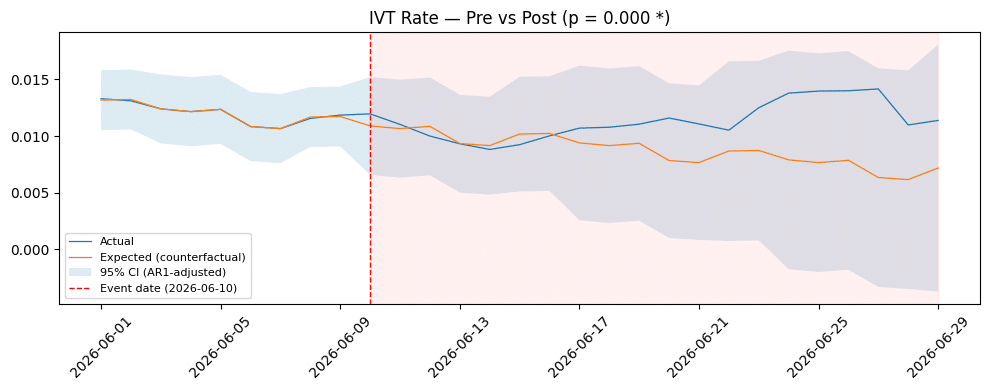
IVT rate trends before and during the World Cup.
MFA Domain Activity: Staying Active via Event Volume
Made for Advertising (MFA) sites are low-quality platforms designed to purchase cheap traffic and maximize ad placements for automated bidding returns. These domains followed a very similar plateau right after the opening matches:
- The Baseline: Before the tournament, the global MFA rate sat at 0.272%.
- The Actuals: After kickoff, the rate decreased slightly to 0.199%.
- The Expectation: Regular seasonal shifts typically bring MFA activity down closer to 0% during this period.
The sudden explosion of news, search queries, and content consumption around the matches created an environment where these sites could remain profitable. Instead of fading out for the summer as expected, they leveraged the high demand for sports content to maintain their presence.
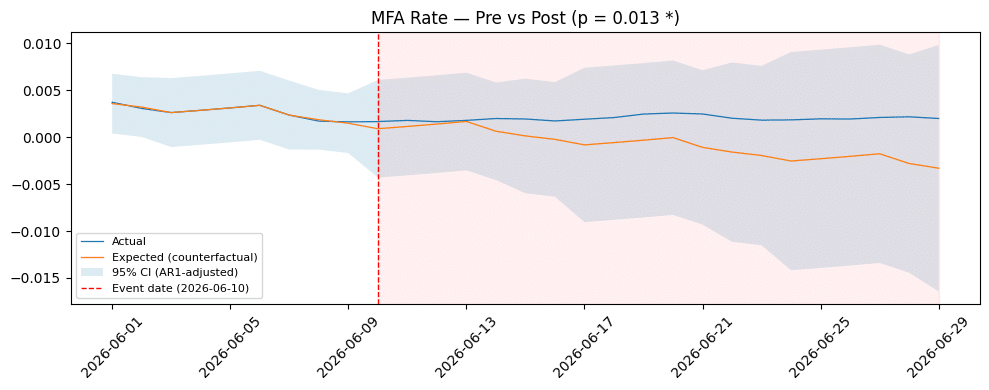
MFA rate trends before and during the World Cup.
Practical Adjustments for the Final Rounds
Ultimately, these findings show that major global events can subtly alter regular digital ad traffic patterns, keeping IVT and MFA rates steadier than usual seasonal baselines dictate. As bidding volume peaks during the quarter-finals, you can protect your performance with two practical steps:
- Account for baseline shifts: When evaluating your current campaign performance reporting, keep in mind that the tournament is naturally keeping these metrics slightly elevated.
- Verify your settings: Keep a close eye on your pre-bid verification settings to ensure your placements remain focused on tier-one, premium publishers.
Want to ensure you are fully optimized for the final matches and future sporting events? Reach out to an IAS representative today.